IC3ET 2026
1,200+ submitted papers. 8 participating countries. First edition.
The Challenge
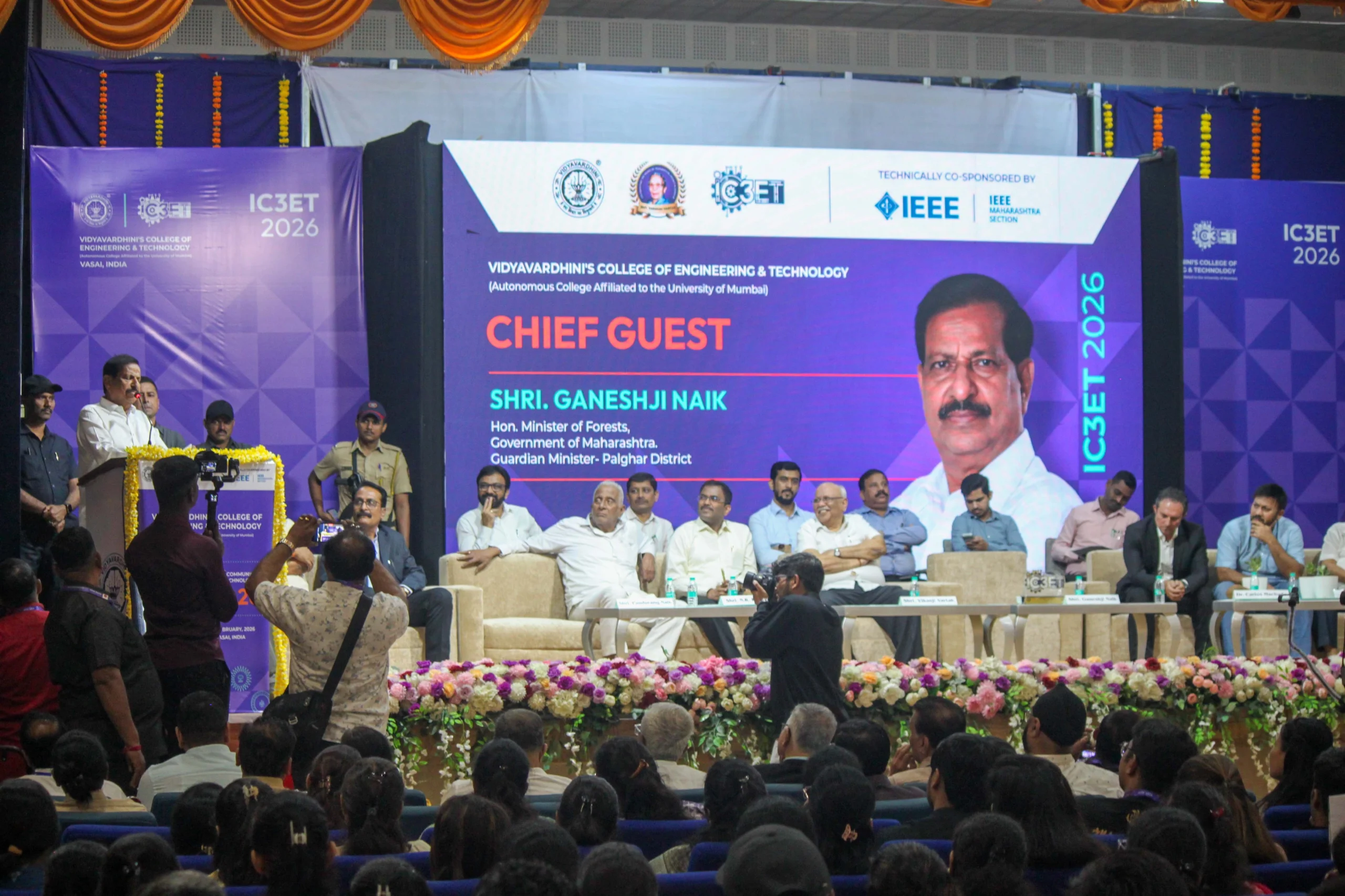
IC3ET 2026, an IEEE technically co-sponsored international conference, aimed to establish itself as a credible global platform for research across domains such as Artificial Intelligence, Machine Learning, Communication Systems, and Emerging Technologies.
Delivering this required managing a complex conference lifecycle — from call-for-papers and researcher engagement to submission handling, registration communication, and on-ground experience. In the early phase, while the conference had a strong academic foundation, submissions were growing slowly at ~6 per day, with participation concentrated in a few regions and no international or industry presence.
More importantly, communication across touchpoints was fragmented. There was no unified system connecting the website, emails, social media, and on-ground materials, making it difficult to build momentum, guide participants clearly, and maintain consistency across the conference journey.
“The goal for IC3ET 2026 was to build a benchmark conference. EvolvEd’s structured approach to branding and experience design helped translate that ambition into disciplined execution. Their understanding of the higher-education ecosystem ensured professionalism and consistency from submission to publication.”
– Dr. Tatwadarshi P. Nagarhalli, Technical Program Co-Chair, IC3ET 2026
The Solution
EvolvEd approached IC3ET as a complete conference communication and operations system, combining structured communication, data-driven decision-making, and workflow optimization.
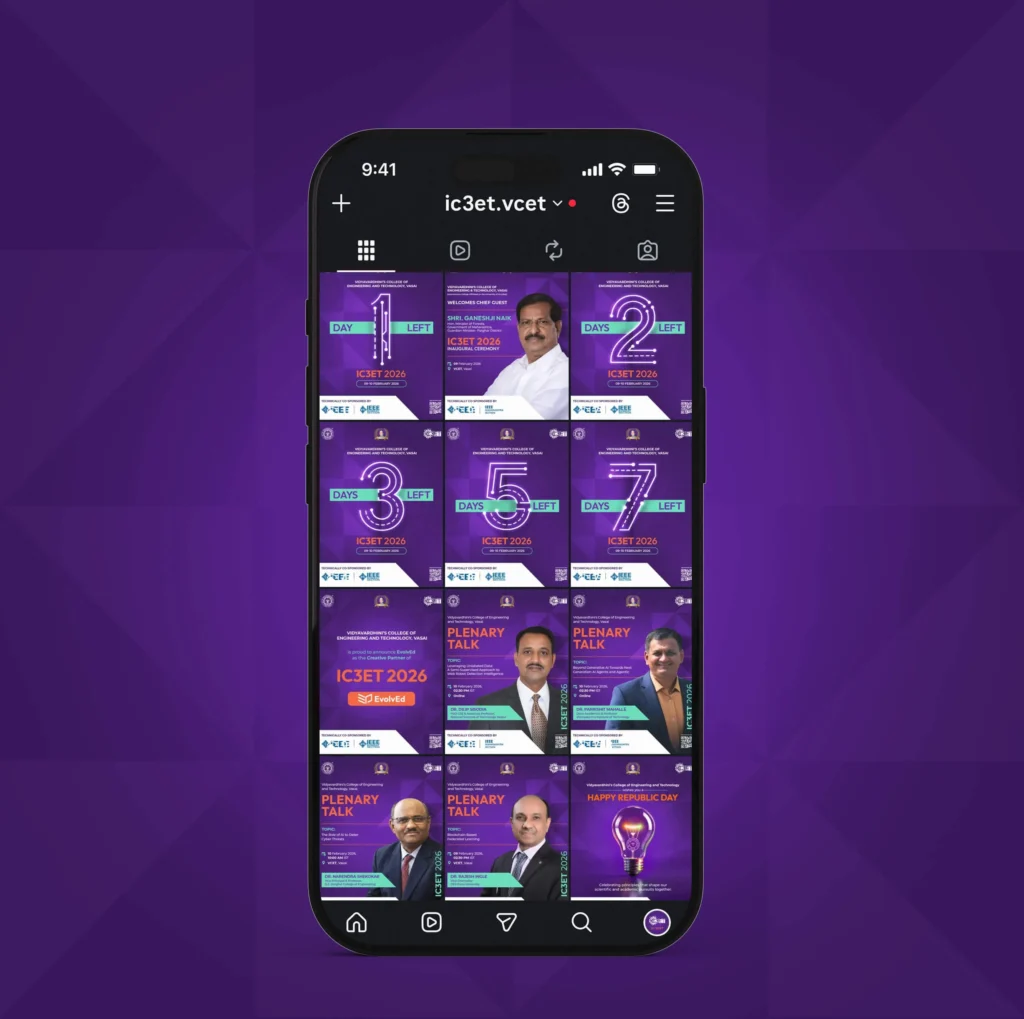
We began by analysing submission patterns and response gaps to identify where momentum was breaking. Based on this, the communication flow across email and social media was restructured to create consistent visibility, targeted outreach, and timely urgency during the final phase.
At the same time, operational workflows around submission tracking, author communication, and coordination were streamlined to reduce manual effort for the organizing team. This allowed faculty to focus on review quality and decision-making instead of repetitive administrative tasks.
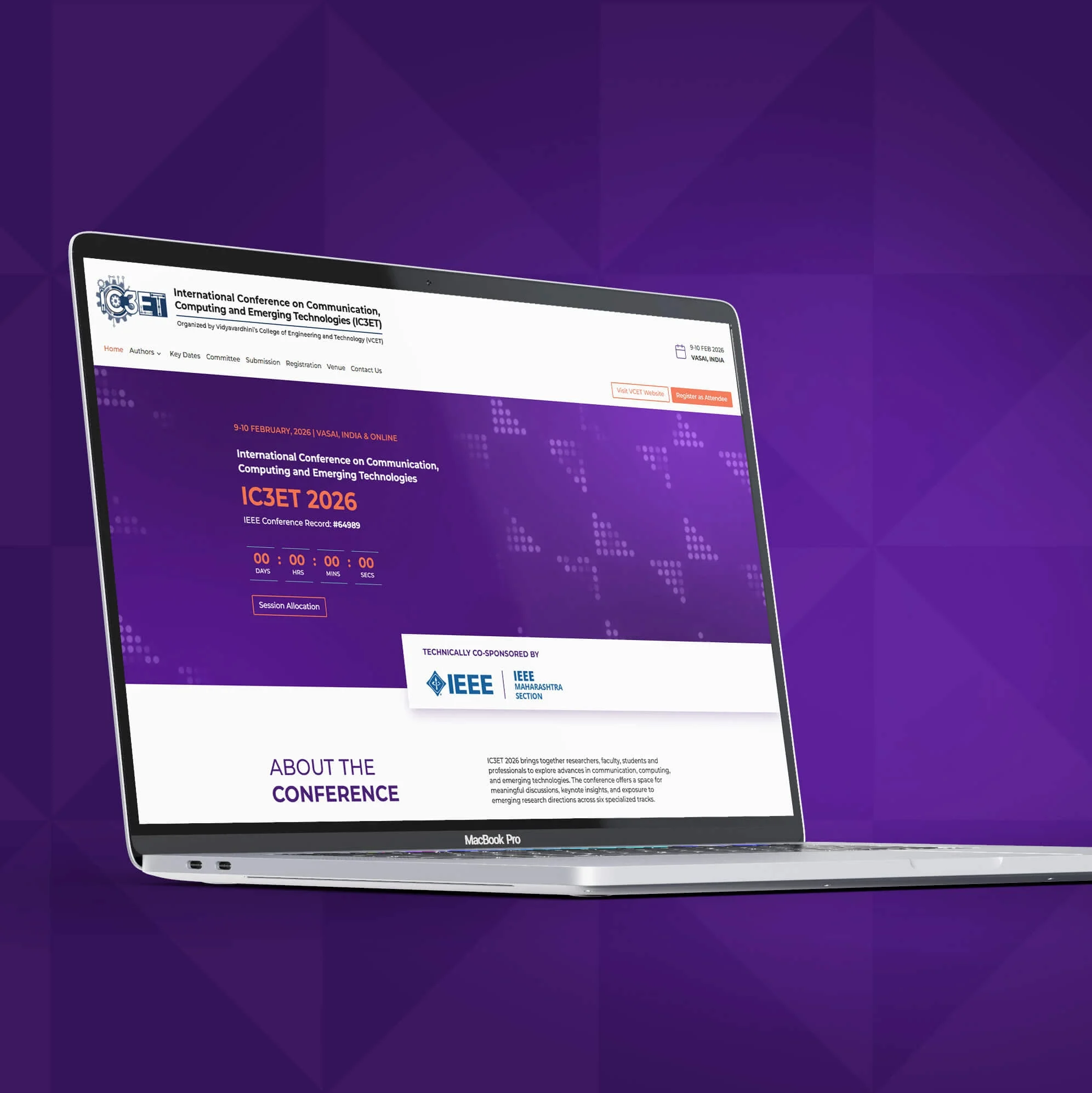
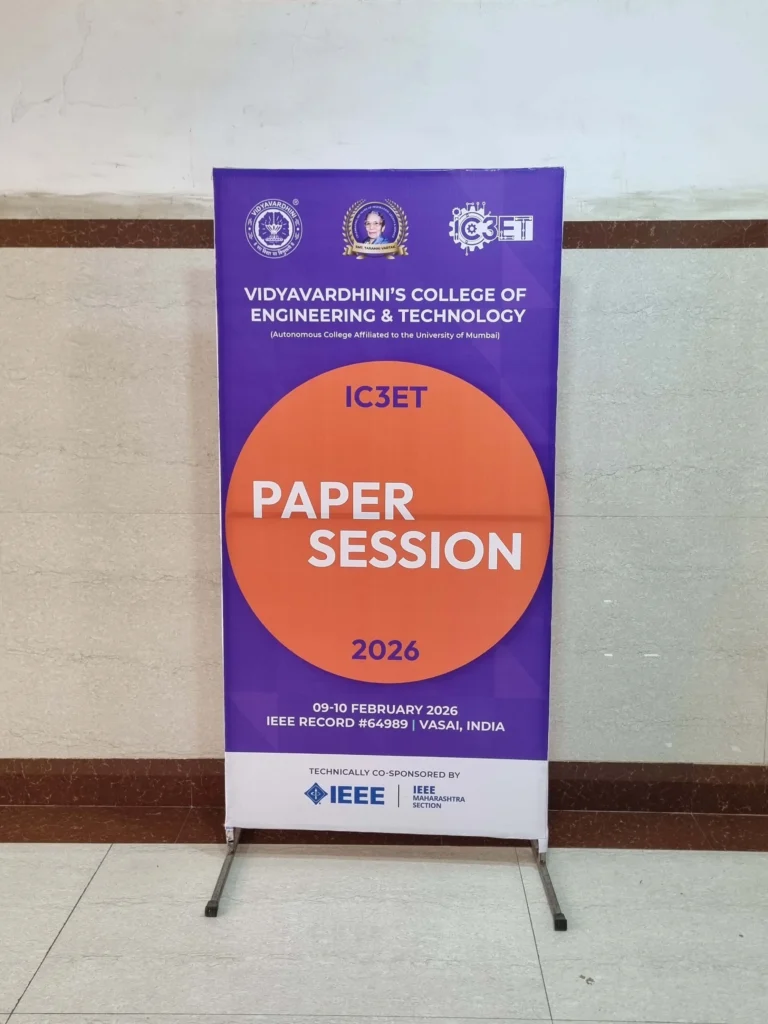
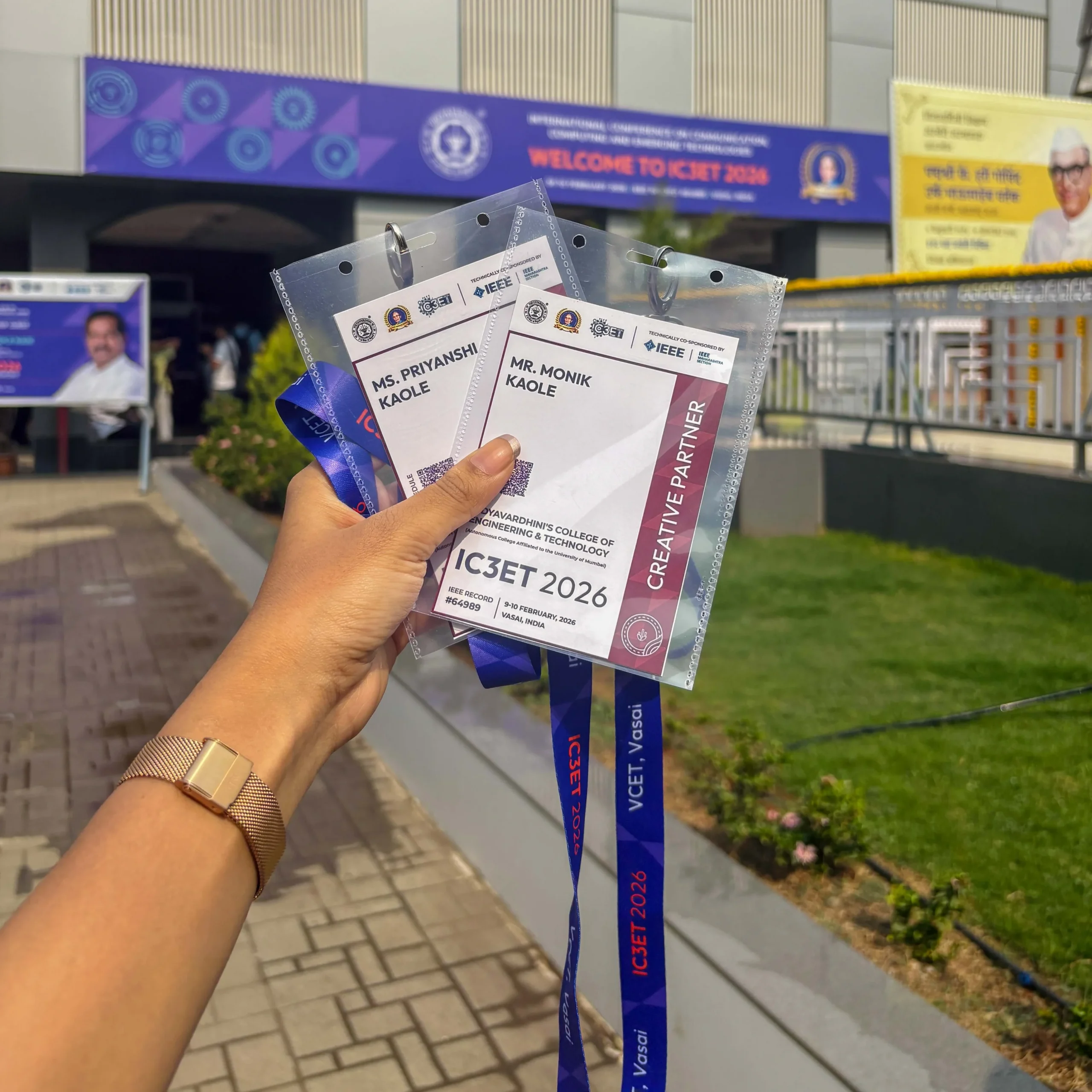
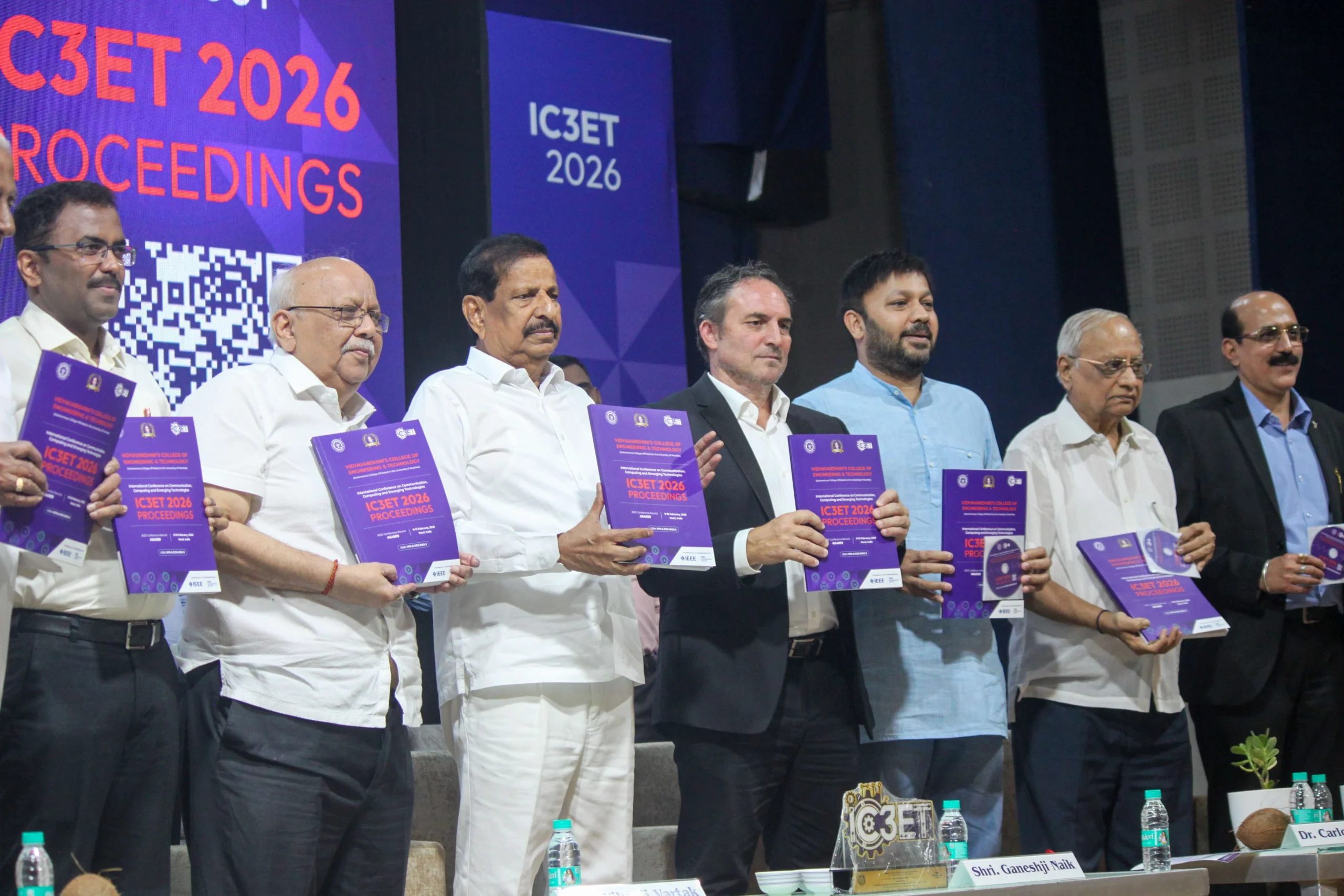
A centralized system across the website, email, and social platforms ensured that participants received clear and consistent information at every stage. This approach extended into the conference experience through standardized templates, certificates, and proceedings, maintaining consistency while minimizing last-minute coordination.
The Result
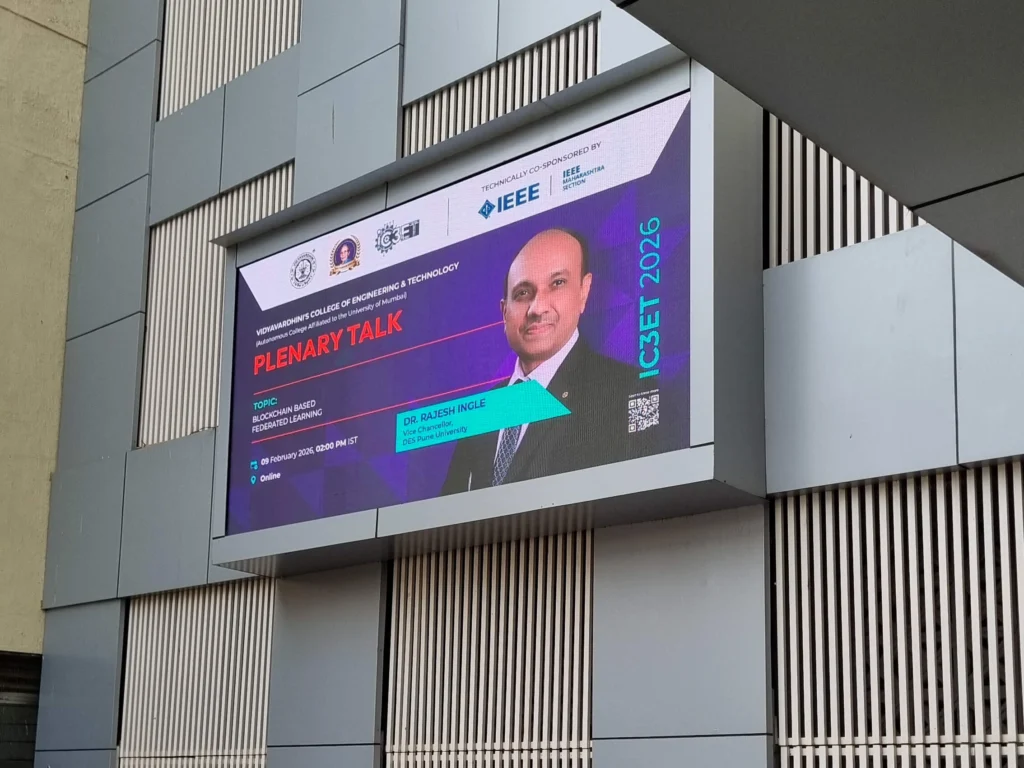
IC3ET 2026 saw a sharp increase in submission momentum during the final phase. In just 24 days, submissions grew from 320 to 729, a 127% increase with daily rates accelerating from ~6 to 31 papers per day. The conference expanded its academic footprint to 98 institutions across 14 Indian states, along with participation from 7 countries, including the United States, New Zealand, Peru, Oman, Indonesia, and Cambodia, significantly strengthening its national and international reach.
This momentum translated into a more diverse and credible participant base, with the conference attracting contributors from both academia and industry. The increased breadth of participation elevated the overall positioning of IC3ET, helping it move beyond a regional academic event to a more globally relevant platform.
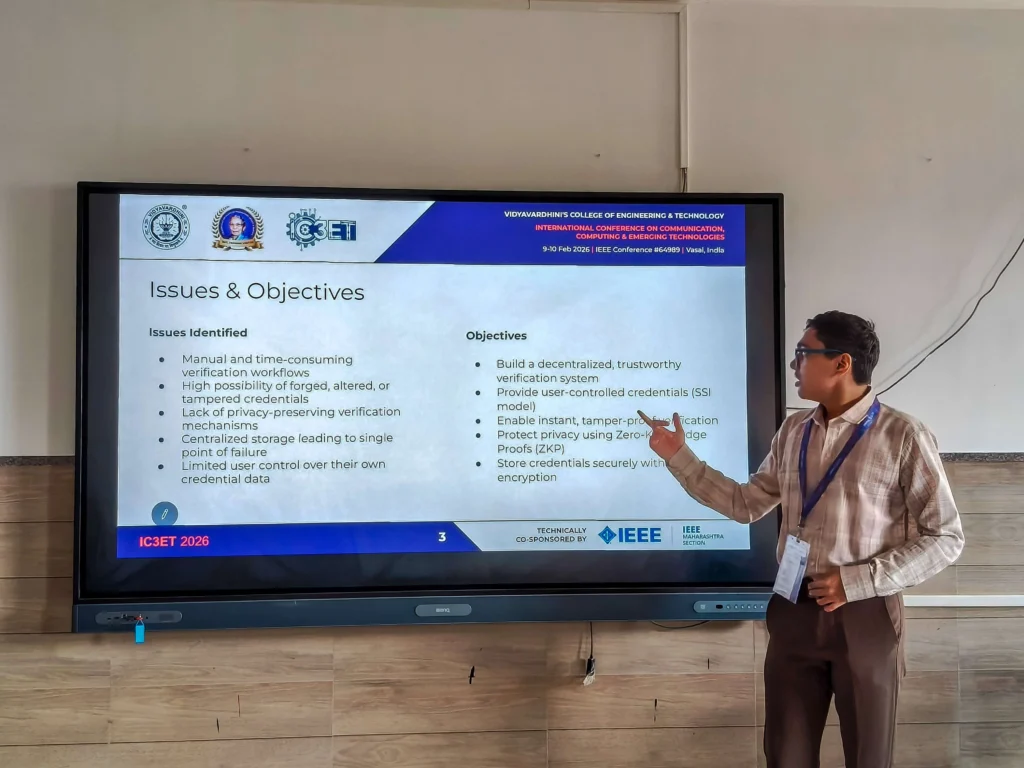
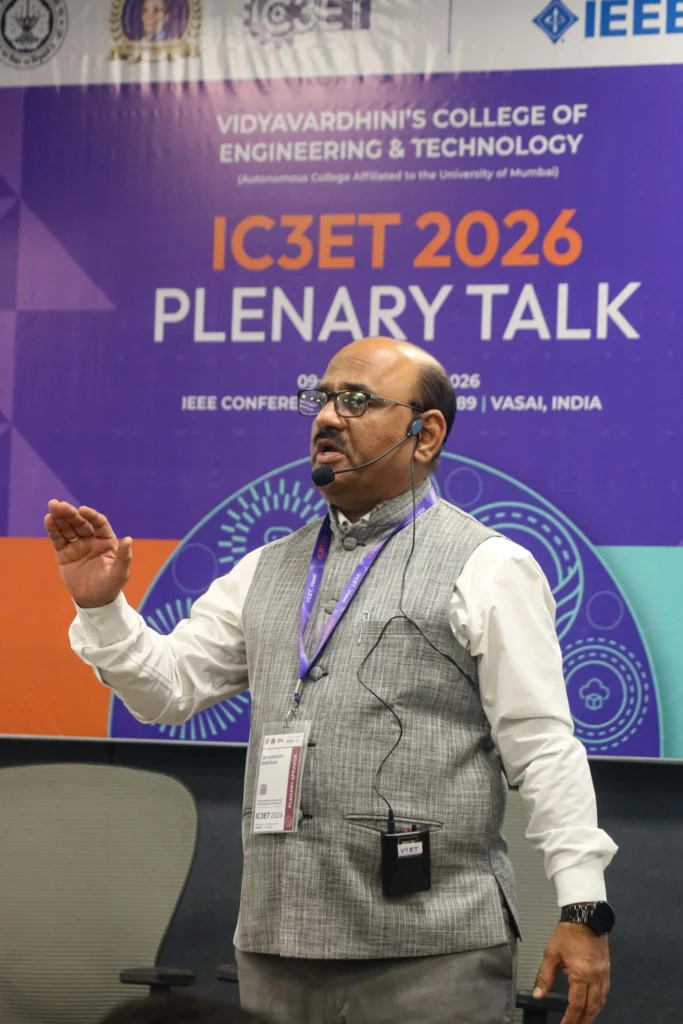
On the experience side, the structured communication and streamlined workflows reduced coordination effort for the organizing team and created a clearer journey for participants. From submissions to registrations and on-ground interactions, the conference felt more organized, consistent, and easy to navigate, ultimately setting a stronger benchmark for IEEE conferences in the region.